Planning a Kenya safari from India feels like a big task. You have flights, visas, park fees, park choices, and food to think about. This Kenya safari planning guide Hindi speakers can rely on is written in clear, simple English, with Hindi terms added where they help. We answer the questions Hindi speakers ask most, and we give real numbers, real distances, and honest advice.
A Kenya Safari Planning Guide Hindi Speakers Can Trust
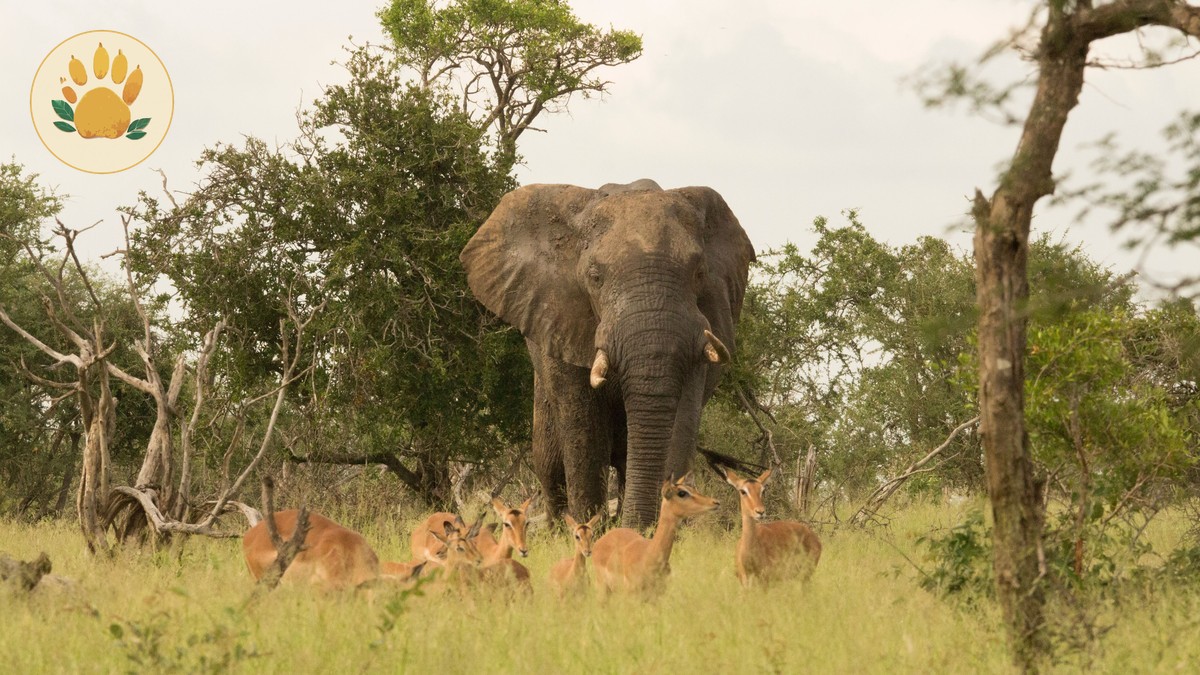
Kenya has some of the best wildlife viewing in East Africa. The Masai Mara is famous for the wildebeest migration. Amboseli has elephants with Mount Kilimanjaro behind them. And there are quieter parks like Samburu with animals you will not see elsewhere.
Hindi speakers have another reason to choose Kenya. The tourism industry is used to Indian guests. Many camps have Indian-style food. Some even have staff who speak Hindi or Gujarati. You will feel welcome.
Do Indians Need a Visa or eTA for Kenya?
Yes, Indian citizens need a visa or eTA to enter Kenya. Since January 2024, Kenya uses an electronic travel authorization system. You apply online before you fly. The eTA fee is around USD 30 to 35 per person. Check the official Kenya eTA portal for the exact current rate before you apply. You must apply at least three days before travel. Most people get approval in a few days.
Your passport must be valid for at least six months from your arrival date. India is not a yellow-fever-endemic country, so Kenya does not require a yellow fever vaccination certificate for travelers arriving directly from India. If you transit through a yellow-fever-endemic country on the way, carry proof of vaccination just in case. Carry your eTA approval and hotel booking confirmation. Immigration officers ask for these.
Flights from India to Kenya
Kenya Airways runs a direct flight between Mumbai and Nairobi a few times a week, but it is not daily, so most travelers still connect through a layover city. On a one-stop route, total flying time is about 7 to 8 hours, and the full journey takes 10 to 14 hours with the stop.
Common routes:
- Mumbai to Nairobi direct on Kenya Airways (a few times a week), or via Addis Ababa (Ethiopian Airlines) or Doha (Qatar Airways)
- Delhi to Nairobi via Dubai (Emirates) or Abu Dhabi (Etihad)
- Chennai to Nairobi via Doha or Abu Dhabi
Ethiopian Airlines often has the lowest fares, with Addis Ababa as its hub. The layover is usually 2 to 4 hours.
Book your international flight early, especially for school holidays. Fares from Mumbai or Delhi to Nairobi start around INR 45,000 per person round-trip in the low season. During Diwali or Christmas, expect INR 70,000 or more.
Best Time to Visit from India
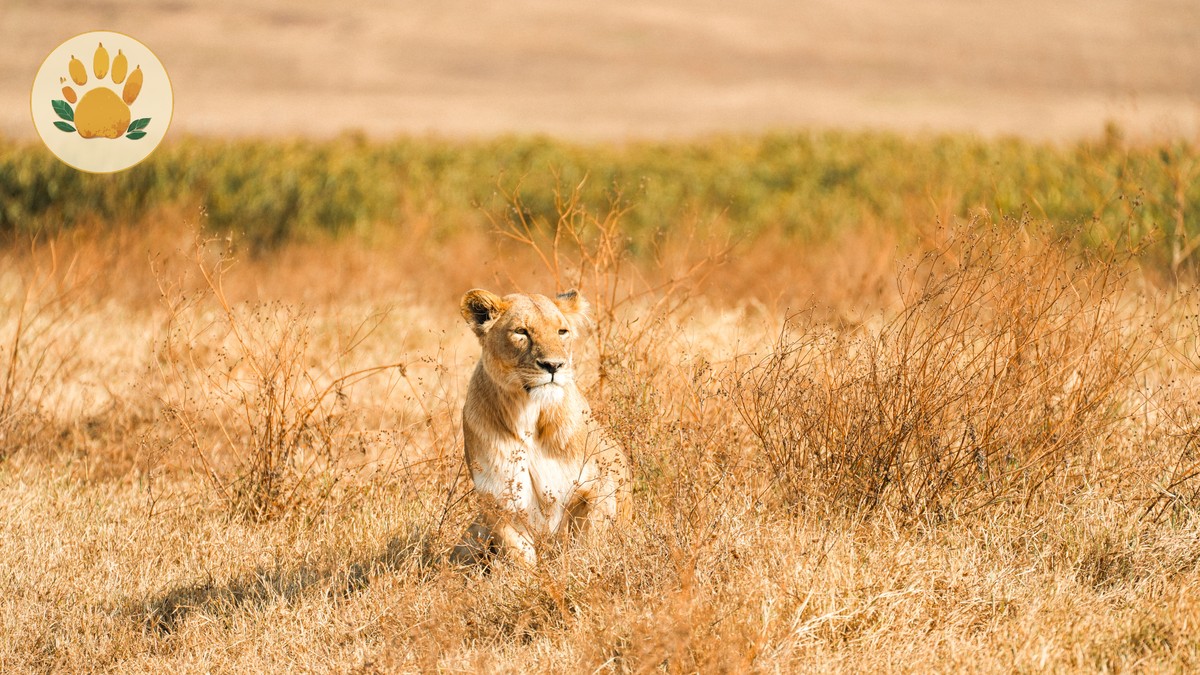
Kenya has two dry seasons. The dry season from June to October is the best for wildlife. The grass is short, so animals are easier to see. The wildebeest migration is in the Masai Mara from July to October.
This period lines up well with Indian holidays. Dussehra falls in October. Diwali is usually in October or November. Many families plan safaris around these dates. The weather is pleasant, with days around 25 to 28 degrees Celsius.
The short rainy season is from November to December. It still works for a safari. The landscape is green, and there are fewer tourists. Masai Mara park fees stay at USD 200 per day through December and drop to USD 100 per day starting in January.
The long rains from April to May are the cheapest. But many camps close. If you want good wildlife and reasonable prices, plan for November or late January to February.
Kenya Safari Cost Breakdown in INR
Here is a realistic view of costs. These prices are for non-resident visitors. They were updated in 2026, so trust these numbers.
| Item | Budget (INR per person) | Mid-Range (INR per person) | Luxury (INR per person) |
|---|---|---|---|
| Masai Mara park fee (per day, July to December) | USD 200 (about INR 16,800) | USD 200 | USD 200 |
| Masai Mara park fee (per day, January to June) | USD 100 (about INR 8,400) | USD 100 | USD 100 |
| Amboseli park fee (per day) | USD 90 (about INR 7,600) | USD 90 | USD 90 |
| Safari lodge or camp (per night) | USD 150 to 250 | USD 300 to 500 | USD 600 to 1,200 |
| Road transfer within Kenya (per day) | USD 100 | USD 150 | USD 200 |
| Full board meals (included in most camps) | Included | Included | Included |
| Total for 6-day safari (excluding flights) | USD 1,500 to 2,000 | USD 2,500 to 3,500 | USD 4,500 to 7,000 |
One USD is roughly INR 84 in 2026. Use this to convert. A mid-range 6-day Kenya safari will cost about INR 2.1 to 2.9 lakh per person. Add INR 45,000 to 70,000 for flights.
Comparing Kenya’s Main Parks
You cannot see every park in one trip. Pick based on what you want. Here is a comparison of the main parks.
| Park | Main Attraction | Distance from Nairobi | Drive Time | Park Fee (per day, non-resident) |
|---|---|---|---|---|
| Masai Mara National Reserve | Wildebeest migration, big cats | 270 km southwest | 5 to 6 hours | USD 100 (Jan to Jun), USD 200 (Jul to Dec) |
| Amboseli National Park | Elephants, Mount Kilimanjaro view | 240 km southeast | 4 to 5 hours | USD 90 |
| Lake Nakuru National Park | Rhinos, flamingos, baboons | 160 km northwest | 2.5 hours | USD 90 |
| Tsavo East National Park | Large elephant herds, red dust | 330 km southeast | 5 to 6 hours | USD 80 |
| Samburu National Reserve | Grevy’s zebra, reticulated giraffe | 350 km north | 6 to 7 hours | USD 70 to 80 |
The Masai Mara is the most popular for first-timers. It has the highest chance of seeing lions and leopards. But it is also the busiest and most expensive.
Amboseli is a close second. The views of Kilimanjaro are unforgettable. The park is drier and flatter. It feels more open than the Mara.
If you have less time, Lake Nakuru is a good two-day option. You can see both rhinos and flamingos. The drive from Nairobi is short.
Sample Kenya Safari Itineraries
Here are three itineraries that work well for Indian travelers.
5-Day Nairobi, Lake Nakuru, and Masai Mara
- Day 1: Arrive in Nairobi. Rest at your hotel.
- Day 2: Drive to Lake Nakuru. Evening game drive.
- Day 3: Drive to Masai Mara. Afternoon game drive.
- Day 4: Full day in Masai Mara.
- Day 5: Morning drive. Fly or drive back to Nairobi.
This trip costs less because you combine a cheaper park with the Mara. Total driving is about 10 hours over the trip.
7-Day Masai Mara and Amboseli
- Day 1: Arrive in Nairobi.
- Day 2: Drive to Amboseli. Afternoon game drive.
- Day 3: Full day in Amboseli.
- Day 4: Drive to Masai Mara. This takes 6 to 7 hours through Nairobi.
- Day 5: Full day in Masai Mara.
- Day 6: Another morning safari in the Mara.
- Day 7: Drive back to Nairobi.
This is the most balanced trip. You see different landscapes and animals.
9-Day Samburu, Nakuru, and Masai Mara
- Day 1: Arrive in Nairobi.
- Day 2: Drive to Samburu.
- Day 3: Full day in Samburu.
- Day 4: Drive to Lake Nakuru.
- Day 5: Morning in Nakuru. Drive to Masai Mara.
- Day 6 and 7: Full days in Masai Mara.
- Day 8: Another half day in the Mara.
- Day 9: Return to Nairobi.
This is the most thorough trip. Samburu adds rare species. You will have time to settle into the safari rhythm.
Fly-in vs Road Safari
Most Indian first-timers choose road safaris. The cost is lower. You see local towns and villages along the way. But the drives are long. From Nairobi to the Masai Mara, you sit for 5 to 6 hours on rough roads.
Fly-in safaris save time. A small plane takes about 45 minutes from Nairobi to the Mara’s airstrip. You fly at about 2,500 meters and see the Rift Valley from above. The extra cost is around USD 150 to 250 per person each way.
For a 5-day safari, we recommend a road trip. You save money. For a 7-day or longer safari, consider flying one way. This reduces fatigue and gives you more time in the parks.
Food, Diet, and Indian Food on Safari
Most safari camps and lodges serve buffet meals. They offer both continental and Indian dishes. On a typical evening, you will find dal, vegetable curry, rice, roti, and papad. Many camps have a dedicated Indian chef. Ask for jain or pure-vegetarian food when you book. They will prepare it.
Breakfast is often an early packed meal, like a lunchbox. You will get fruits, boiled eggs, bread, and a vegetarian filling. Lunch is usually back at the camp.
Some luxury camps offer à la carte Indian meals. But even mid-range camps handle Indian guests well. Tell your safari company about your dietary needs before you arrive. Do not worry about finding vegetarian food. It is widely available and good.
Packing Tips for Indian Travelers
Pack light. Safari vehicles have space limits. You need one duffel bag per person, not a hard suitcase.
Clothing: Wear neutral colors like khaki, olive, beige, and brown. Avoid bright colors and dark blue. Long sleeves and trousers protect against mosquitoes and the sun. A light fleece is useful for cold early morning drives.
Shoes: Bring closed walking shoes or sneakers. Avoid white shoes. They get dusty.
Sun protection: Sunscreen, a wide-brimmed hat, and sunglasses are essential.
Electrical: Kenya uses UK-style Type G sockets with three rectangular pins, not the round pins used in India. Carry a universal travel adapter.
Medicines: Carry antimalarials from India. You can also buy them in Nairobi. Carry motion sickness tablets for the long drives.
Cash: Carry some US dollars in small bills. This is useful for tips and small purchases. ATMs work in Nairobi and major towns, but not in the parks.
Is Kenya Safe for Indian Tourists?
Yes, Kenya is safe for tourists who follow standard precautions. The safari parks are well-managed. Your guide stays with you at all times. Crime is rare inside the parks.
In Nairobi, stay in well-known hotel areas like Westlands or Karen. Do not walk alone at night. Use hotel taxis or bookings through your safari company.
The main risk is a minor stomach issue from changing food and water. Drink bottled water only. Avoid salads and raw vegetables in roadside restaurants. Your safari camp will provide filtered water.
Do Kenya Safari Guides Speak Hindi?
Most guides speak English and Swahili. English is common and works well. But some camps now hire Hindi-speaking staff. The SafariPure team works with partner camps that can arrange a Hindi-speaking guide on request. Guides who speak Hindi can explain animal behavior, Maasai culture, and the details of the migration in your language.
If a Hindi-speaking guide is not available, you can ask for a guide who speaks simple English with patience. The lodge staff also often have basic Hindi phrases for greetings and dining.
The SafariPure Difference
SafariPure builds itineraries for Hindi speakers who want real time in the wild done properly. We book camps that confirm Hindi-speaking staff or provide a translator. We match the itinerary to your school holidays and festival dates, including Diwali and Dussehra. We give you a clear cost breakdown in round numbers, without hidden fees.
We also recommend read reviews from other Hindi-speaking travelers to understand what to expect. If you are planning for a family group or a honeymoon, tell us. We will adjust the pace and the comfort level.
We do not push you into the most expensive option. We tell you when a road safari makes sense and when a fly-in is worth the money. For a different regional guide, see our Kenya safari planning guide for Bengali speakers. And if costs matter most, see our detailed Kenya safari costs guide for Tamil speakers.
Common Mistakes Indian Travelers Make
Skipping travel insurance. Medical costs in Kenya can be high. Buy comprehensive insurance that covers safari activities and emergency evacuation.
Booking the cheapest flight without checking the layover time. A 12-hour layover can ruin your first day. Choose a layover of 2 to 4 hours or an overnight stay in the transit city.
Spending too many days in Nairobi. One day is enough. You are here for the safari.
Trying to visit four parks in five days. You will spend half your time in the car. Pick two parks maximum for a short trip.
Forgetting that the Masai Mara fee is higher from July to December. Plan your budget around this rate change.
Frequently Asked Questions
How much does a Kenya safari cost from India?
A 6-day mid-range safari costs about USD 2,500 to 3,500 per person. That is roughly INR 2.1 to 2.9 lakh. Add flights of INR 45,000 to 70,000.
How long is the flight from India to Kenya?
Kenya Airways flies nonstop from Mumbai a few times a week in about 5 to 6 hours. On other routes with a layover, total flying time is about 7 to 8 hours, and the full journey takes 10 to 14 hours.
Will I find vegetarian or Indian food?
Yes. Most camps serve dal, vegetable curry, and roti daily. Many have Indian chefs.
What is the best Kenya safari itinerary around Diwali?
A 7-day Masai Mara and Amboseli safari works well. You can start on the day after Diwali and return within the school break.
Ready to Plan Your Kenya Safari?
SafariPure can plan your full trip with Hindi-speaking guides, confirmed vegetarian meals, and the right dates for your holiday calendar. We handle the eTA, the flights, the song and dance of park bookings, and all ground logistics.
Start your planning with a clear itinerary and honest pricing. Visit our Kenya safari tour page to see sample trips. Or contact us through our website and tell us your dates and budget. We will reply with a tailored plan.